What happened
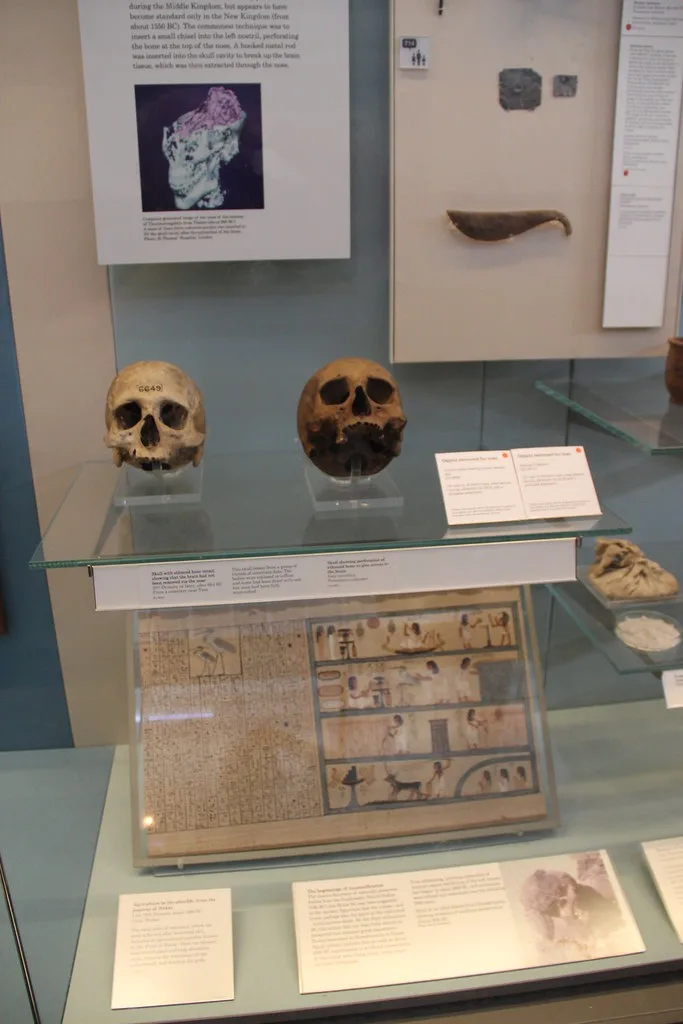
A fresh scientific analysis of ancient human remains has shed new light on the tombs belonging to the earliest monarchs of ancient Egypt. As reported by ScienceDaily, researchers examined 46 skulls dating back about 5,000 years to understand more about mortuary practices.
Out of the total sample studied, the team identified potential signs of fatal head injuries in 18 skulls. This indicates that roughly 39 percent of the individuals analysed might have suffered intentional and lethal trauma.
Why it matters
These striking findings appear to support a long-standing theory held by historians for over a century. Scholars have long debated whether early Egyptian rulers practiced retainer sacrifice, where royal servants and officials were put to death to accompany and serve the monarch in the afterlife.
The physical evidence of head trauma provides concrete data to back up historical suspicions regarding the grim realities surrounding early pharaohs and their burial customs.
Useful background
The dawn of Egypt's dynastic period was a time of immense political consolidation and cultural development. Burial sites from this era often contain numerous subsidiary graves surrounding the central royal tomb, fueling decades of academic discussion about social hierarchy and death rituals.
While later periods of Egyptian history largely moved away from such practices, the earliest dynasties have continued to puzzle archaeologists studying the evolution of state-level governance and royal power.
What to watch next
Researchers plan to continue analyzing ancient remains and archaeological contexts to learn more about the lives and deaths of these individuals. Further scientific studies could reveal additional details about the social status and demographics of those interred near early kings.